
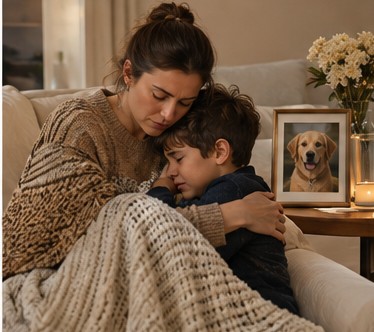
Age-appropriate language and compassionate routines for supporting a child grieving a beloved pet.
Why pet loss matters
For many children, a pet is a steady companion and part of daily family life. Losing that relationship can bring sadness, anger, confusion, or guilt. Avoid minimizing the loss with phrases such as 'it was just an animal.' The bond was real, and the grief deserves care.
Use clear and honest words
Explain death in language appropriate to your child's age. For younger children, 'Our dog's body stopped working and she cannot come back' is usually clearer than 'went to sleep,' which can create fears about bedtime. Invite questions and admit when you do not know an answer.
Make room for different reactions
Some children cry immediately; others play and revisit the topic later. They may ask the same question repeatedly as they begin to understand permanence. Let them know that sadness, relief after a pet's illness, and even moments of happiness are all possible.
Offer a meaningful goodbye
A photo album, drawing, memory box, planted flower, or small family remembrance can give a child a way to express love. Offer choices without making participation mandatory. Maintain predictable meals, school routines, and bedtime where possible.
Watch for signs more support is needed
If a child develops persistent sleep problems, school refusal, significant withdrawal, or intense guilt, consult a pediatrician or licensed child therapist. Children often benefit from a calm adult who can listen without trying to rush them toward feeling better.
For personalized support, explore Joy Therapy counseling services or request an appointment.