
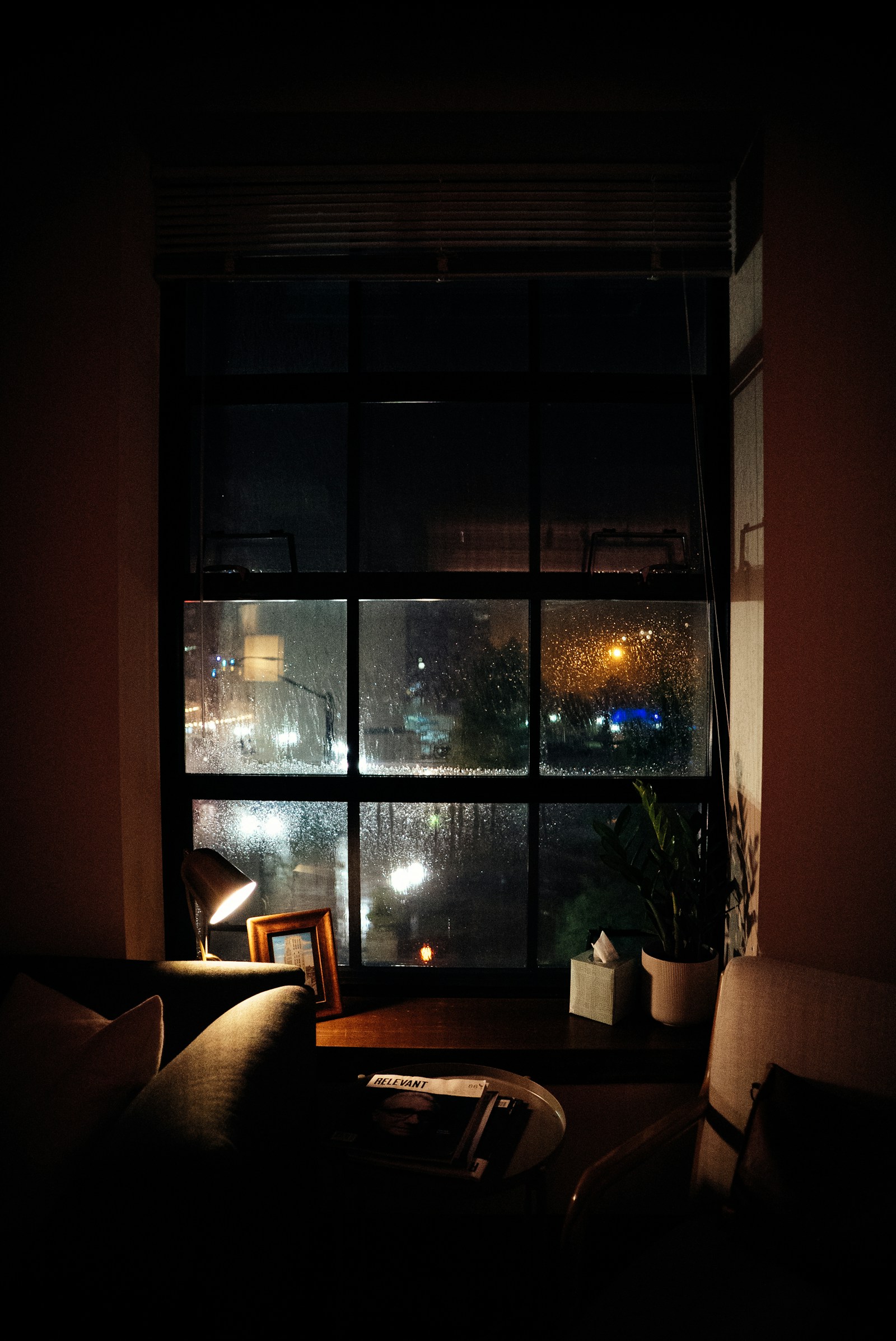
When the days grow shorter, some people notice that their energy, motivation, or mood changes. Getting out of bed may feel harder. Social plans can become less appealing, and the evening darkness may make the day feel over before it has really begun. A temporary dip in mood can happen for many reasons, including disrupted schedules, stress, and less time outdoors.
But there is a difference between feeling a little less energetic in winter and experiencing a recurring depressive episode linked to the seasons. Knowing what to look for can help you respond with compassion rather than assuming you simply need more willpower.
What is the difference between the winter blues and seasonal affective disorder?
The phrase “winter blues” is an informal way to describe mild seasonal changes in mood or energy. Seasonal affective disorder, often shortened to SAD, is a form of depression with a seasonal pattern. According to the National Institute of Mental Health (NIMH), symptoms commonly begin in late fall or early winter and improve in spring, although some people experience a summer pattern instead.
A clinician considers the nature and severity of symptoms, how much they interfere with daily life, and whether depressive episodes follow a seasonal pattern. NIMH explains that the diagnostic pattern generally involves seasonal depressive episodes for at least two consecutive years, though not every person experiences symptoms every year. You cannot diagnose SAD from a single gloomy afternoon or a short online checklist.
Signs that deserve more attention
Depression can affect emotions, thinking, sleep, appetite, and daily functioning. People with winter-pattern SAD may experience persistent sadness or emptiness, loss of interest in activities, low energy, difficulty concentrating, increased sleep, changes in appetite, or withdrawing from others. Some experience hopelessness or thoughts of death or suicide. Symptoms vary from person to person.
Notice the impact, not just the label. Are you missing work, neglecting meals, struggling to care for yourself, or feeling disconnected from activities you usually enjoy? Has the change continued for two weeks or more? These are reasons to talk with a qualified healthcare professional, whether or not the symptoms turn out to be seasonal.
Why can shorter days affect mental health?
Daylight helps regulate the body's internal clock. Researchers are studying how seasonal changes interact with sleep and wake rhythms, serotonin, melatonin, and other biological processes. NIMH notes that changes in these systems may contribute to seasonal depression. That does not mean every person who dislikes winter has a chemical imbalance, or that sunlight alone can resolve depression.
People also experience practical winter pressures: less outdoor activity, changing family schedules, financial stress, and fewer opportunities to connect. Those circumstances can matter alongside biology. Looking at the full picture can help you choose realistic supports.
Seven practical ways to support your mood during darker months
1. Track patterns without judging yourself
For two or three weeks, make a brief note of your sleep, mood, energy, activities, and daylight exposure. A simple one-to-five rating is enough. Patterns may become clearer, and the notes can help you describe symptoms during a medical or counseling appointment. The goal is information, not another task to perform perfectly.
2. Make room for daylight and gentle movement
When possible, step outside during daylight hours, take a short walk, or sit near a naturally bright window. Physical activity and time outdoors can support general wellbeing, but they are not replacements for treatment when depression is present. Start with a manageable amount rather than a demanding exercise goal.
3. Protect a consistent sleep schedule
Try to keep wake times reasonably consistent, even on days off. Make the bedroom comfortable and reduce stimulating activities before bed. If you are sleeping much more than usual yet still feel exhausted, mention that to a clinician rather than assuming extra sleep is always the answer.
4. Plan one meaningful connection
Low mood can make invitations feel difficult. Consider a low-pressure phone call, coffee with someone you trust, or a short walk with a friend. Connection does not have to mean a crowded gathering. Let someone know if you are having a harder time than usual.
5. Schedule enjoyable activities before motivation arrives
Depression can reduce the desire to do things that once felt rewarding. Instead of waiting to feel inspired, choose one small activity: cooking a favorite meal, working on a hobby for fifteen minutes, visiting a library, or listening to a podcast while walking. In therapy, this kind of gradual return to meaningful activity is often called behavioral activation.
6. Ask about light therapy before buying a light box
Bright-light therapy is an established treatment option for winter-pattern SAD, but it is not appropriate for everyone. Certain eye conditions, medications that increase light sensitivity, and bipolar disorder may require special precautions or a different approach. Speak with a healthcare professional about whether light therapy makes sense for you and how to use it safely. Do not treat an ordinary lamp as a medical light box.
7. Consider counseling and medical treatment
Psychotherapy, including cognitive behavioral therapy adapted for seasonal depression, can help people work with negative thoughts, avoidance, and disrupted routines. Medication may also be appropriate after a clinical evaluation. NIMH reports mixed evidence for vitamin D supplements as a treatment for SAD, so do not assume a supplement will replace professional care.
When should you seek professional help?
Reach out when low mood persists, worsens, interferes with relationships or responsibilities, or makes everyday tasks feel unmanageable. A healthcare professional can assess depression and also consider physical conditions or medications that may affect mood. If you have experienced similar episodes in past winters, discuss that history; it can help guide a plan for future seasons.
If you are thinking about suicide or need immediate emotional crisis support in the United States, call or text 988. If there is immediate physical danger, call 911. You deserve timely support rather than having to wait for spring.
How counseling can fit into a winter wellness plan
Counseling can offer space to discuss mood changes, stress, relationship pressures, and habits that feel difficult to maintain. Joy Therapy provides information about depression counseling and individual counseling, including online services in Nebraska. The practice is expanding in Oklahoma; contact the team to confirm current appointment availability, clinician licensure, and insurance participation before scheduling.
You do not need to know whether your experience is “winter blues” or seasonal depression before starting a conversation. Describing what has changed is enough.
Frequently asked questions
Can seasonal depression happen in summer?
Yes. NIMH describes both winter-pattern and summer-pattern seasonal depression, although winter-pattern SAD is more common. A clinician can help evaluate a recurring seasonal pattern.
Is a light box a cure for seasonal depression?
No single treatment works for everyone. Light therapy may help some people with winter-pattern SAD, but professional guidance matters, and psychotherapy or medication may also be appropriate.
Should I wait two years before asking for help?
No. A two-year seasonal pattern may inform diagnosis, but significant depression symptoms warrant evaluation now. You do not need to wait for another winter to seek support.
Sources and further reading
National Institute of Mental Health: Seasonal Affective Disorder
National Institute of Mental Health: SAD—More Than the Winter Blues
988 Suicide & Crisis Lifeline: Get Help
Related Joy Therapy services
Ask about appointment availability